


Security During Ramadan: The Critical Role of Security Guards in Indonesia's Busiest Season
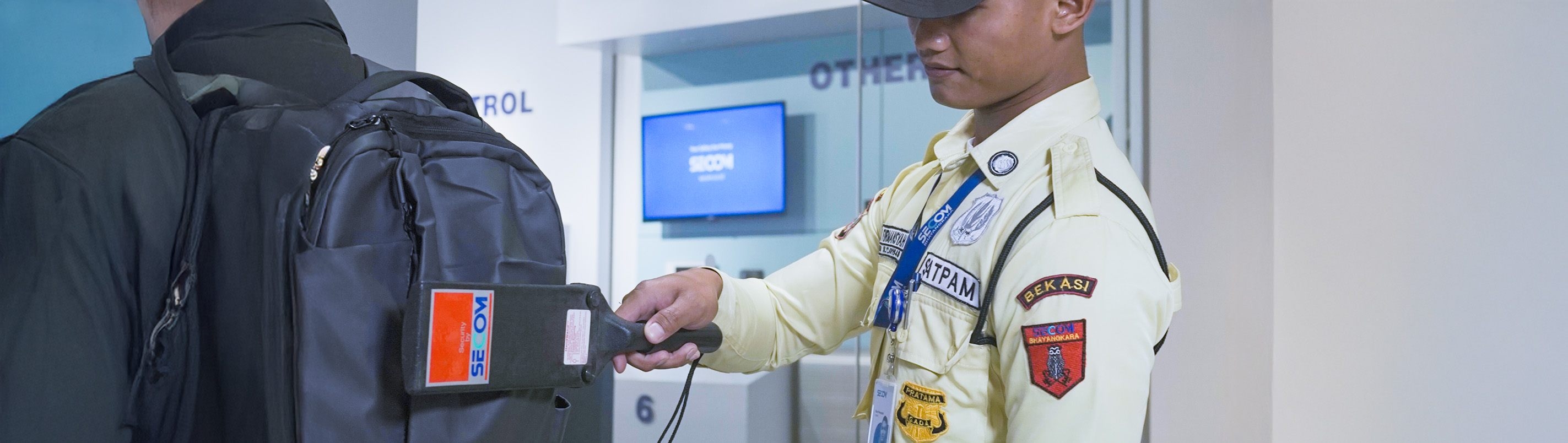
Every Ramadan, the rhythm of Indonesia shifts. Mosques fill to capacity at prayer times, shopping malls overflow with families preparing for Lebaran, and millions of homes sit empty as residents travel for mudik. This blessed month always brings its own stories — but also its own challenges, particularly in security.
As activity surges across the country, the role of security guards becomes more critical than ever. They are the ones maintaining order, ensuring environments remain safe, and providing peace of mind for communities as they worship and go about their daily lives.
Why Ramadan Creates Unique Security Challenges
Ramadan is about far more than a change in meal schedules. For nearly 30 days, the daily rhythms of Indonesian society shift fundamentally — work patterns, shopping habits, and mobility all transform, especially as Lebaran approaches and major cities suddenly empty out.
These changes have a direct impact on security. Several factors make Ramadan distinctly more challenging than other periods:
Surging foot traffic at shopping malls and commercial centers
Altered operating hours for offices and factories
Mass exodus during mudik, leaving urban homes and facilities unoccupied
Increased cash transactions and high-value goods in public spaces
In short, Ramadan creates a unique combination: public activity intensifies in some locations while others become completely vacant. Both scenarios demand heightened vigilance.
Location-Specific Challenges and the Security Response
Every location carries different risks. An effective Ramadan security strategy cannot apply a one-size-fits-all approach. The key lies in a deep understanding of on-the-ground conditions — only then can the role of security personnel be optimized appropriately.
Malls and Shopping Centers
During Ramadan, shopping centers become some of the busiest and most complex environments to secure. Visitor density increases dramatically, creating opportunities for criminal activity. Parking areas become more accident-prone, and long, poorly managed queues can trigger friction between visitors.
This is where security guards prove their value. They are not simply standing watch — they actively conduct crowd control at entrances and food court areas, execute mobile patrols with unpredictable patterns to deter pickpockets, and coordinate closely with parking teams. When a visitor reports an incident, rapid response prevents the situation from escalating.
Equally important, the visible presence of professional security personnel functions as a powerful deterrent. Often, the most effective prevention occurs when potential offenders decide not to act in the first place.
Mosques and Prayer Halls
Securing places of worship presents its own unique challenge. Security guards must maintain safety without disrupting the sanctity and tranquility of the environment.
Their responsibilities include managing the flow of worshippers during Tarawih and congregational Subuh prayers, overseeing parking areas that frequently spill onto public roads, and handling lost-and-found services for personal belongings. They also ensure the security of donation boxes and charitable collections, which typically increase significantly during Ramadan.
Office Buildings
Ramadan creates a paradox in office environments. Working hours are shorter, yet critical assets — server rooms, confidential documents, high-value equipment — still require constant protection. As Lebaran approaches, buildings can sit entirely empty for 10 to 14 days.
The role of security guards becomes increasingly strategic. They conduct patrols during high-risk hours, particularly after iftar and in the early morning, monitor CCTV feeds centrally to detect unusual activity, and enforce strict verification for any access outside normal working hours. All efforts are reinforced through real-time coordination with monitoring teams to address potential risks at the earliest stage.
Residential Complexes and Housing Estates
Lebaran mudik is an annual phenomenon. Within just two to three days, tens of millions of homes in major cities can be left vacant simultaneously. For criminals, this is not a holiday — it is a predictable pattern they understand well. Residential security during Ramadan and Lebaran demands extra vigilance.
Security guards become the primary line of defense by increasing patrol frequency, actively coordinating with neighborhood leadership (RT/RW) and local authorities, logging every unfamiliar vehicle entering the area, and maintaining readiness for rapid emergency response.
Warehouses and Industrial Facilities
During Ramadan, warehouses and production facilities face dual pressure. On one hand, stock levels of essential goods and Lebaran products peak. On the other, personnel numbers decline due to shift adjustments and staggered leave. This makes industrial areas more vulnerable if not properly anticipated.
Security operations continue around the clock without shift reductions, supported by strict access control through layered verification systems. Every transport vehicle entering or leaving is documented, while direct coordination with management ensures emergency protocols remain active throughout the extended holiday period.
The Limits of Manpower, the Power of Technology
During Ramadan, visitor numbers can surge dramatically — but security headcount cannot simply double overnight. This is where security technology is no longer a supplement. It is what enables every personnel member to work more effectively.
This is the essence of the Man-Machine philosophy: professional security guards empowered by advanced technology, not replaced by it.
CCTV: Eyes That Never Tire
A single security guard can only be in one place at one time. But with a connected CCTV network, every area can be monitored simultaneously — 24/7, without fatigue. Strategic camera placement ensures comprehensive coverage across entrances, corridors, parking areas, and perimeter zones, providing security teams with the visibility they need to act before incidents escalate.
Alarm Systems and Sensors: Protection That Never Sleeps
Homes and buildings left empty during mudik do not have to go unprotected. An integrated alarm system connects motion sensors, door and window sensors, and panic buttons — all linked directly to a Control Center operating 24/7. When an alarm is triggered, a Physical Response Team can be dispatched to the location within measured response times. This is not just a notification on a screen — it is real intervention by trained personnel.
Control Center: The Brain Behind Security Operations
When conditions on the ground become overwhelming — too many points to monitor simultaneously — the Control Center serves as the central intelligence hub. From here, data is analyzed, priorities are determined, and rapid directives are issued. Even during the Lebaran holiday, the Control Center operates at full capacity. Clients do not need to worry about security gaps when their internal staff are on leave — the system continues to work, and monitoring never stops.
How to Optimize Your Security During Ramadan
For property managers and security directors, Ramadan is not only about adjusting operating hours. It is the moment to ensure your security system is truly prepared for the surge in activity and the extended holiday shutdown.
Here are practical steps to keep your location secure from Ramadan through Lebaran:
1. Conduct a Security Risk Assessment before Ramadan begins. Map the vulnerable points at your location, then adjust guard deployment based on actual risk — not outdated routines.
2. Increase patrol frequency during critical hours. Especially during Tarawih and the early morning hours approaching Subuh, when many areas become quiet but risk potential actually rises.
3. Ensure CCTV and alarm systems are in optimal condition. Ideally, complete a full technical inspection at least two weeks before Lebaran to allow time for any necessary repairs.
4. Hold a Ramadan-specific briefing for all security personnel. Cover respectful interaction with worshippers, refresh emergency procedures, and confirm that communication channels with management are clear and responsive.
5. Activate 24/7 monitoring through a Control Center. Continuous monitoring ensures that no gap exists, even when your facility operates with reduced staff.
6. Build coordination with local authorities. Establish communication channels with nearby police posts and community security teams to ensure rapid mutual support when needed.
Integrated Security Is No Longer Optional
Professional security guards are the front line of Ramadan protection. But to meet large-scale challenges with limited personnel, integrated security technology is no longer just an option — it is a necessity.
Through the Man-Machine approach, SECOM Indonesia ensures every critical point remains monitored. Because the best security is not about reacting after an incident — it is about preventing one before it happens.
Prepare Your Location for Ramadan Security
Consult with SECOM Indonesia about your Ramadan security needs today.