


Japanese Companies in Indonesia: A Guide Across the Major Industries

More than 1,500 Japanese companies operate in Indonesia, making Japan one of the largest foreign investors in the country. These companies are spread across a wide range of industries — automotive, electronics, food and FMCG, banking, construction, and security and professional services among them.
The economic relationship between Indonesia and Japan stretches back more than half a century. Japanese companies began looking at Indonesia as a production base and consumer market as early as the 1950s. The momentum picked up after the Indonesian government opened its doors to foreign investment in the late 1960s, and the flow of Japanese capital has continued steadily ever since — from heavy industry to modern consumer services.
According to data from the Japan External Trade Organization (JETRO), Indonesia consistently ranks among the top five destinations for Japanese investment in Southeast Asia. Whether you are a job seeker exploring careers at Japanese multinationals, a student researching foreign investment patterns, or a business owner looking for partners or vendors, the list below should give you a useful reference.
Automotive Industry
The automotive sector is one of the largest pillars of Japanese investment in Indonesia. It is not an exaggeration to say that Indonesian roads are a showcase of Japanese automotive products. More than 90% of four-wheeled vehicles on the road in Indonesia come from Japanese brands.
Toyota Motor Manufacturing Indonesia entered the country in 1971 and operates its headquarters in Jakarta with manufacturing plants in Sunter and Karawang. Astra Honda Motor (AHM), the dominant force in the motorcycle segment, also began operations in 1971 with its base in Sunter, Jakarta. Suzuki Indomobil Motor arrived even earlier in 1970, producing both cars and motorcycles from its Jakarta operations. Astra Daihatsu Motor entered in 1978 and is also headquartered in Sunter. Mitsubishi Motors Krama Yudha, which produces both passenger cars and commercial vehicles, has been in Indonesia since 1970 and operates from Jakarta. Yamaha Indonesia Motor Manufacturing (YMM) joined in 1974 and runs its operations from Pulogadung, Jakarta.
A fun fact worth knowing: Indonesia is the largest Toyota production base in Southeast Asia. The Toyota Avanza and Toyota Rush were specifically designed for the Indonesian and ASEAN markets — they are not sold in Japan itself.
Electronics and Technology Industry
Japanese electronics brands have been part of Indonesian kitchens, living rooms, and offices since the 1970s. While they now face competitive pressure from Chinese and Korean brands, Japanese electronics companies have held their ground through reputation for quality and broad distribution networks.
Panasonic Gobel Indonesia entered the country in 1970 and operates from Gatot Subroto, Jakarta, serving both consumer and industrial electronics segments. PT Sharp Electronics Indonesia also arrived in 1970, with its manufacturing facility in Karawang and headquarters in Jakarta. Sony Music Entertainment Indonesia, focused on the entertainment side of the Sony group, began operations in Indonesia in 1997 from Jakarta. Fujifilm Indonesia has been here since 1974, working in imaging and healthcare sectors from its Jakarta base. Epson Indonesia entered the market in the 1990s, focused on printers and printing devices, and is also headquartered in Jakarta.
A fun fact: Fujifilm, once known primarily as a camera film manufacturer, now generates more than 50% of its global revenue from healthcare and business solutions rather than cameras or film. In Indonesia, Fujifilm is particularly active in the medical imaging segment.
Food, Beverage, and FMCG Industry
From kitchen seasonings to personal care products, Japanese FMCG companies have left a deep imprint on the daily lives of Indonesian consumers. Some brands have become so familiar that part of the public considers them local products.
PT Ajinomoto Indonesia, known for seasonings and MSG products, entered Indonesia in 1969 and operates with a Jakarta headquarters and a manufacturing plant in Mojokerto. PT Yakult Indonesia Persada arrived in 1990 with its probiotic health drink, running production from Sukabumi and headquarters from Jakarta. PT Glico Wings, in the food and snack category, started operations in 1991 from Surabaya. PT Kao Indonesia entered in 1985, focused on personal care and household products, with its base in Jakarta. PT Nissin Biskuit Indonesia, known for biscuits and snacks, has been operating since 1970 from Jakarta.
A fun fact: Yakult is sold by "Yakult Ladies" — door-to-door salespeople who became an iconic part of the brand across Asia. In Indonesia, the Yakult Lady program empowers thousands of women as independent distribution partners, a business model that has barely changed since the 1960s.
Banking and Financial Services Industry
Japanese financial institutions entered Indonesia largely to serve the financing needs of Japanese manufacturing companies expanding in the country. Today, they serve not only Japanese corporate clients but also a broad range of Indonesian corporate and retail customers.
MUFG Bank, Ltd. has been operating in Indonesia since 1989, focused on corporate banking from its Jakarta office. PT Bank SMBC Indonesia traces its initial Indonesian presence to 1989, with majority acquisition by SMBC completed in the 2020s, and now serves both retail and corporate banking from Jakarta. PT Astra Sedaya Finance, a vehicle financing joint venture with Toyota, has been operating since 1982 from Jakarta. PT Asuransi Tokio Marine, in the general insurance segment, entered Indonesia in 1975 and is based in Jakarta. PT Asuransi Jiwa Manulife Indonesia, a life insurance joint venture, has been in Indonesia since 1985 with its headquarters in Jakarta.
A fun fact: MUFG is one of the largest banks in the world by total assets, competing closely with major banks from the United States and China. In Indonesia, its presence is concentrated on serving multinational corporations and financing large infrastructure projects.
Construction, Engineering, and Infrastructure Industry
The skyscrapers of Jakarta, the Trans-Java toll road, and the Jakarta MRT — many of Indonesia's major infrastructure projects have involved Japanese contractors and engineering consultants. They are known for their strict construction standards and their ability to deliver massive projects on schedule.
PT Shimizu Indonesia, in civil construction and engineering, has been in the country since 1967 and operates from Jakarta. PT Kajima Indonesia, working in both construction and real estate, also entered in 1967 from Jakarta. PT Takenaka Indonesia, focused on construction and building design, started in 1972 with its Jakarta base. PT Nishimatsu Construction Indonesia, in civil construction and infrastructure, entered the country in the 1970s from Jakarta. PT JFE Engineering, working in steel and infrastructure engineering, joined the market in the 1990s from Jakarta.
A fun fact: Shimizu Corporation is one of the few global contractors involved in the construction of the Jakarta MRT. The company, which has been operating in Japan since 1804, has positioned Indonesia as one of its priority construction markets in Southeast Asia.
Services and Professional Industry
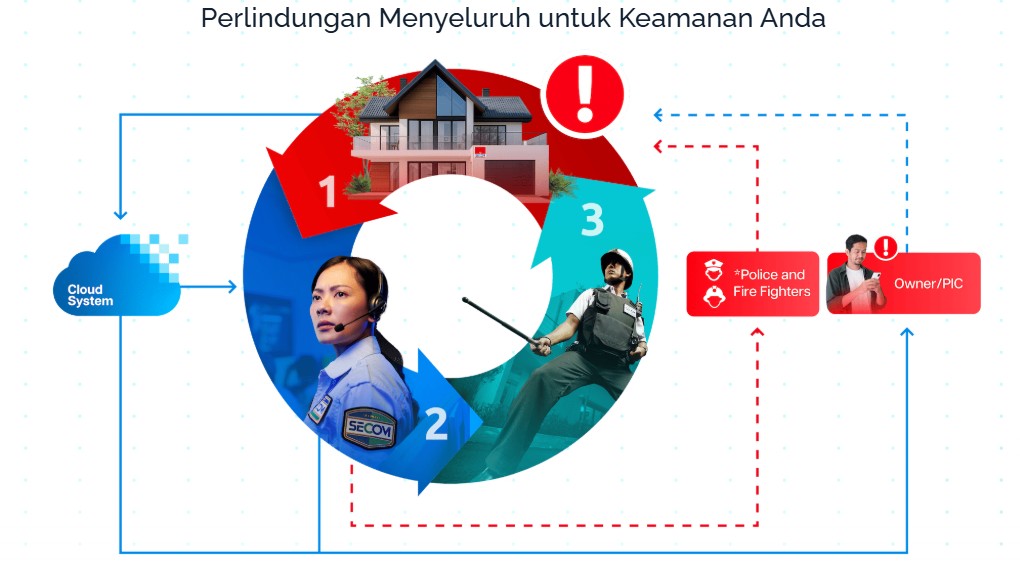
The services sector demonstrates that Japanese investment in Indonesia is not limited to manufacturing. From security services and human resources to management consulting, Japanese services companies have brought structured operational standards and service quality to the Indonesian market.
PT SECOM Indonesia, providing electronic security systems and personnel-based security services, has been operating since 1994 with offices in Jakarta, Surabaya, and Karawang. PT NTT Indonesia Technology, in telecommunications and IT services, entered the country in the 1990s from Jakarta. PT Nomura Indonesia, focused on securities and investment services, has been in Indonesia since 1990, also based in Jakarta.
A fun fact: SECOM Co., Ltd. was the first security company in Japan to introduce the concept of "online security," where every alarm at a client location connects directly to a 24-hour monitoring center through a communication network. This 1966 innovation became the foundation of the modern electronic security industry that is now standard worldwide.
Other Significant Industries
Beyond the six major sectors above, Japanese investment in Indonesia also reaches several other industries worth mentioning.
In pharmaceuticals and healthcare, Takeda Pharmaceutical, Otsuka Pharmaceutical, and Daiichi Sankyo are present in Indonesia through pharmaceutical distribution and production joint ventures. This sector has grown significantly alongside the rising health awareness among Indonesian consumers following the pandemic.
In retail and F&B, the LAWSON minimarket network (in collaboration with PT Midi Utama), Yoshinoya restaurants, and sushi chains like Genki Sushi prove that Japanese retail brands continue to find demand in Indonesia's growing consumer market.
In logistics and shipping, Nippon Express, Yusen Logistics (NYK Group), and Mitsui OSK Lines (MOL) dominate the international logistics segment, particularly for cargo tied to the manufacturing supply chains connecting Japan and Indonesia.
Why Indonesia Attracts Japanese Investment
Several structural factors have made Indonesia a consistent investment destination for Japanese companies for more than 50 years.
The first is population size. With more than 280 million people, Indonesia is the fourth-largest consumer market in the world — an obvious draw for any sales-oriented company. The second is a competitive manufacturing base. Relatively competitive labor costs combined with a strategic location along Asian trade routes make Indonesia an efficient production base. The third is diplomatic stability. Indonesia and Japan signed the Economic Partnership Agreement (IJEPA) in 2008, which provided a wide range of trade and investment incentives that continue to shape the relationship today.
There is also a less tangible factor: business culture compatibility. Both countries place high value on respect for hierarchy, long-term commitment, and quality orientation. This cultural alignment makes business cooperation noticeably easier than in many other markets. Finally, Indonesia's natural resources — nickel, coal, palm oil, and marine products — serve as strategic raw material sources for Japanese industry.
More Than Statistics
The presence of more than 1,500 Japanese companies in Indonesia is not just an investment statistic. It is the visible result of an economic relationship built over decades — a mutually beneficial ecosystem connecting Japanese technology and management with Indonesian resources and markets.
From the machines assembling cars in Karawang to the security systems protecting Jakarta's skyscrapers, Japanese quality standards have become part of Indonesia's infrastructure. Often invisible, but always felt.
For companies operating in Indonesia, including Japanese foreign investors themselves, operational security is one foundation that cannot be compromised. Need a Japanese-standard security system for your company? Schedule a free consultation with SECOM Indonesia and discuss your security requirements with the team that has been serving Indonesian businesses for over 30 years.