


5 List of Security Systems That Must Present in Logistics Warehouses
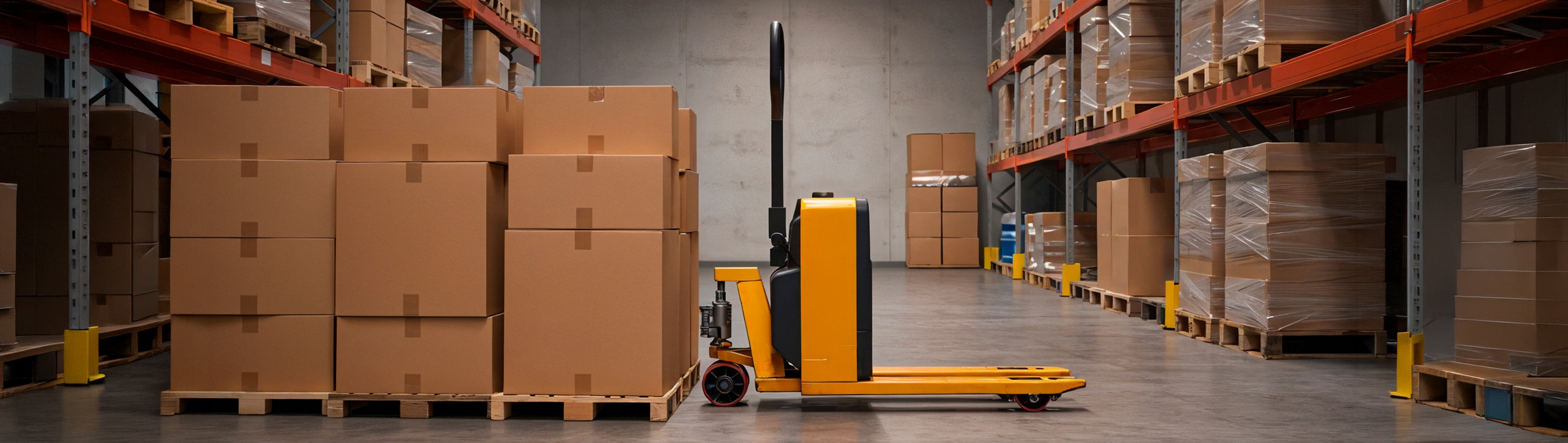
Warehouses and logistics facilities face unique security challenges. Operating 24 hours a day with hundreds of personnel entering and exiting, managing inventory worth billions of rupiah, and maintaining accountability amid operations. All of this requires security systems that go far beyond conventional CCTV and security guards.
Data from the Indonesian Logistics & Forwarders Association (ILFA) shows that losses from theft at logistics facilities reach 1.5-3% of total inventory value annually. For a logistics facility with inventory worth Rp 50 billion, potential losses can reach Rp 1.5 billion per year, not including the impact on customer trust and operational credibility.
SECOM Indonesia, with 30 years of experience securing logistics facilities, understands that security is not just about preventing theft, but ensuring operational continuity, meeting international audit standards, and providing peace of mind to management that every process runs under measured and verified oversight.
Security Threats in Warehouses and Logistics Facilities
1. Internal Threats
Unlike external theft, which is easier to detect, internal theft is the biggest challenge in warehouse operations. Employees who understand the system, shift schedules, and security blind spots can conduct systematic theft that is only detected after losses reach significant figures.
2. Shrinkage and Inventory Loss
Shrinkage, or the difference between recorded inventory and physical inventory, is a critical issue in the logistics industry. Causes include administrative errors, damage & expired products, organized theft. Logistics industries serving multinational customers or storing products such as pharmaceuticals, food, and electronics must meet precise security standards.
3. 24/7 Operation Challenges
Modern logistics industry operates non-stop. This creates various security threats, such as:
Night Shift Reduced visibility, minimal personnel, slower emergency response.
Shift Changes Transition periods are opportunities for unauthorized actions.
Weekends & National Holidays Limited operations, yet assets still need to be secured.
High-Season Surges When activity volume rises drastically, monitoring becomes more complex and human error potential increases.
Without a security system that is truly ready to work 24/7, consistent, verified, and responsive, these gaps will continue to be vulnerable points that can be exploited.
360 Security System for the Logistics Industry
1. Perimeter Security: The First Line of Defense
Warehouse security does not start from inside, but from outside. The perimeter is the first line of defense that determines whether potential threats can be stopped before entering the storage area. With a layered approach, unauthorized access can be prevented from the start, even before approaching the main building.
Bollards These physical barriers function as "gate guards" to prevent unauthorized vehicles from entering the loading dock area or warehouse yard.
Gates with Access Control Every vehicle entering and exiting is recorded: time, vehicle number, driver identity, and status. When integrated with CCTV, every access can be verified visually, not just as data.
Perimeter CCTV Not just recording, AI-enabled cameras can read situations and detect unusual patterns. With the combination of physical, technology, and monitoring, the perimeter is no longer just an area boundary, but an active defense system that is always vigilant.
2. Access Control: Managing Access Points
Modern logistics industry does not have just one or two doors; there can be dozens of access points. Without a proper system, these areas can become major vulnerabilities. Therefore, access control is not just about "can enter or cannot," but who enters, where, and when.
Biometric Access Control Fingerprint or Face Recognition ensures only truly authorized people can enter certain areas. Every access is recorded: who, what time, and through which door.
Visitor Management System For guests, suppliers, or auditors, everything is recorded digitally: identity, purpose, who accompanies, and visit duration. Visitor Cards are temporary and access is limited, so they can only enter areas that are permitted.
With the right Access Control system, warehouse and logistics security is no longer a concern.
3. Smart CCTV for 24/7 Operations
Warehouse and logistics security cannot rely on ordinary CCTV. What is needed is a system that not only records but also understands what is happening. Because in busy and complex environments like logistics, small details can have big impacts. Here are strategic CCTV camera placements:
High-Value Storage Area High-resolution cameras with zoom capability to monitor high-value assets in detail.
Loading & Unloading Dock Camera angles capture the loading-unloading process clearly, from who arrives, what they bring, and how the process goes.
Receiving Area Used to verify incoming goods, as well as documentation if discrepancies occur.
Corridors, Hallways, Storage Rack Areas Cameras monitor movement in storage corridors and racks and detect unusual activity.
Entry & Exit Equipped with access control for personnel and vehicle recognition for vehicles, ensuring every access is recorded and identified.
This is what makes CCTV truly smart, not just seeing, but analyzing:
People Counting Ensures the number of people in certain areas matches authorization.
Dwell Time Analysis Detects if someone stays too long at one point, which can be an indication of suspicious activity.
Object Removal Detection The system will give a warning if large items are moved from certain areas without proper procedures.
Motion Detection Activity outside operational hours triggers alerts, so potential risks can be addressed early.
4. Security Personnel with Specialized Training
No matter how sophisticated the technology, it will not be maximized without the right people in the field. Therefore, SECOM security guards for logistics facilities do not just guard doors but are equipped with specialized training according to warehouse operational characteristics.
Understanding Warehouse Operational Flow Security guards are trained to understand goods entry-exit flow, shipping documents, and warehouse SOPs. This way, they are quicker to realize if something is off or not according to procedure.
Clear Inspection Protocols From vehicle inspection, document verification, to physical goods checks, everything is done with structured methods.
Emergency Response in Various Situations Security guards are equipped with procedures for various scenarios, such as fire, theft, workplace accidents, and disaster conditions. The goal is fast, precise response without panic.
Inter-Shift Coordination Shift changes must not become vulnerabilities. There are protocols ensuring all incidents, findings, and potential risks are clearly communicated to the next shift.
All SECOM Security Guards are trained to high standards, ensuring quality, discipline, and professionalism remain consistent.
5. Alarm Sensors
Not all threats can be seen with the eyes. Therefore, warehouse and logistics security requires a sensor network that works silently but is always vigilant.
PIR Motion Sensor Installed in areas where there should be no activity at certain hours. Once there is movement, the system immediately detects potential intrusion.
Door Contact Every door & window is equipped with magnetic sensors. If opened without proper procedures, the alarm will immediately activate.
Smoke & Heat Detector For warehouses and logistics with high-value inventory, early fire detection is crucial.
These alarm sensors are connected directly to SECOM Control Center for real-time monitoring and verified response. This means every alarm does not just sound but is followed up quickly and measurably.
SECOM Monitoring Center Integration
All security equipment, such as CCTV, sensors, access control, security guards, will not be maximized if running independently. What makes everything truly work is the command center. This is where SECOM Monitoring Center serves as the "brain" that coordinates everything.
24/7 with Verified Response
SECOM Monitoring Center monitors customer locations 24/7. However, this does not mean SECOM can see your entire location. SECOM Monitoring Center can only view your location when suspicious things occur for verification, so your privacy remains protected with us.
Every logistics industry has unique characteristics, from layout, types of goods, activity volume, and levels. SECOM has comprehensive security consultation services, from Assessment, security system design, and of course continuous support. With SECOM's integrated security system combining advanced technology, trained personnel, and 24/7 monitoring center, you can focus on business, while we ensure every asset, every process, and every person is in a safe and monitored environment.