


A Complete Guide to Installing Business Alarm Systems: Types, Costs, and How to Choose a Professional Installer
A business alarm system is the early-detection layer that protects assets, inventory, and staff safety against theft and fire. At any scale, from a single-floor retail shop to a multi-floor office building, an integrated alarm system that combines intrusion detection, fire detection, CCTV, and access control responds faster and more precisely than standalone devices. A certified installer makes sure the installation meets SNI standards and provides 24/7 monitoring support.
The cost of a break-in or a fire rarely stops at the value of the goods lost. There is downtime while operations halt, insurance claims that stall if the protection system is judged inadequate, and reputational damage when an incident happens during business hours. An alarm installed correctly cuts that chain at the earliest point: detection.
This guide covers the three things business owners, operations managers, and facility managers usually ask before installing an alarm. The system types, how to choose a vendor, and what it costs.
Alarm System Options for Business Needs
No two businesses need the same configuration. A fashion shop carries a different risk profile from a logistics warehouse or a factory. The two categories below form the basis of any system plan.
Intrusion Alarm (Anti-Theft)
An intrusion alarm detects unauthorized entry into a business premise, mostly outside operating hours. The main components: PIR motion sensors (passive infrared) that read body movement through heat, magnetic contacts on doors and windows that trigger when forced open, glass-break detectors for areas with wide glazing such as storefronts, and a panic button that a cashier or staff member can press during a direct threat.
Every sensor connects to a central control panel. When the system is armed and a sensor trips, the panel sounds a siren and sends a signal to the owner's phone through an app, or to the provider's monitoring center over GSM and IP. A panic button wired straight to the monitoring center suits warehouses and retail stores holding high-value stock.
Modern systems support zoning. You can arm the warehouse area while leaving the office zone disarmed, then track the status of each zone from a single dashboard.
Integrated Alarm System (CCTV + Access Control)
This is where the difference between business tiers shows most clearly. An integrated system brings intrusion detection, CCTV, and access control together under one management platform.
The most concrete benefit: video verification. When an intrusion sensor trips, an operator at the monitoring center pulls up the CCTV feed at that point to confirm whether the threat is real or a false alarm (a cat walking past, a swaying branch, a plastic bag caught in the wind). That verification cuts wasted dispatches and speeds up the response to threats that are actually happening.
Access control adds a layer of control over who enters which area. Cards, PINs, or biometrics such as fingerprint and facial recognition log every entry with a timestamp. When an incident occurs, this access log becomes an audit trail you can cross-check against the CCTV footage and the alarm history.
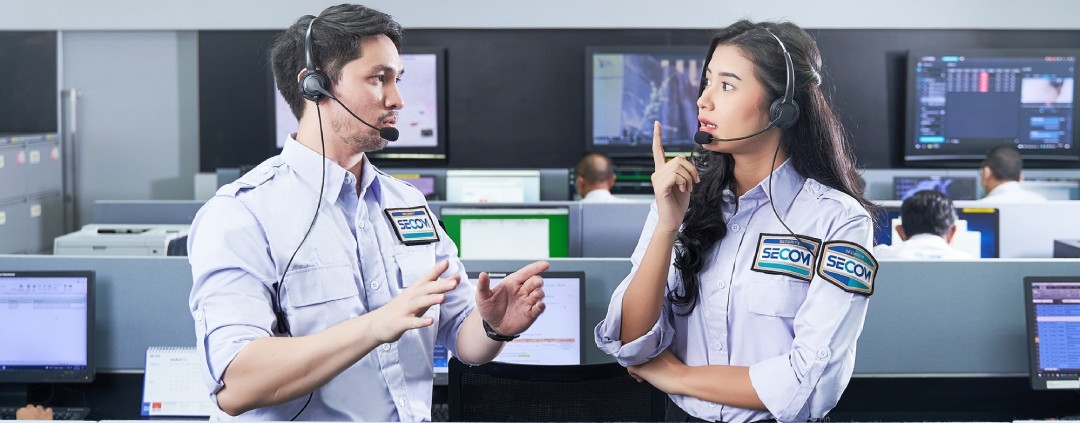
For multi-branch retail, factories, or building management, every point can be watched from a single command center. One team oversees dozens of locations, with automatic escalation to field officers or the authorities when a signal comes in.
How to Choose a Professional Alarm Installer
The quality of a business alarm depends heavily on the quality of its installation, not just the brand of the device. Even the best sensor is useless if its placement is wrong or its zoning is misconfigured. Here is what to check before signing a contract.
Official certification from the brands installed. A provider that holds authorized partner status with Panasonic, Dahua, Nihon Kohden, or another brand usually has certified technicians and access to genuine manufacturer warranties. Ask for proof of partnership, not just a claim.
A free site survey before any quote. A serious vendor does not sell a one-size-fits-all package. They visit the location, map the vulnerable points, measure the floor plan, then put together specific recommendations for your business risk profile. A quote issued without a survey is worth questioning.
A clear installation warranty and after-sales support. Make sure there is a device warranty alongside a workmanship warranty, plus a maintenance contract with a written response SLA. An alarm has to be tested regularly. It is not something you install and forget.
Service coverage and a monitoring center that reaches your area. For a business in Greater Jakarta, having a local monitoring center and a response team nearby determines how fast an alarm signal gets acted on. Check the provider's legality too, including any operating licenses relevant to security services.
One thing people often skip: ask for a portfolio of clients with a similar profile. A vendor who has handled a comparable warehouse or a similar retail chain will understand your needs faster.
Standalone Alarm vs Integrated Commercial Alarm System
Aspect | Standalone Alarm (Standard) | Integrated Commercial Alarm (Premium) |
|---|---|---|
Core components | Panel, a few motion sensors, door contacts, siren | Intrusion detection, fire alarm, CCTV, and access control on one platform |
Response when triggered | Local siren and a notification to the owner's phone | Video verification at the monitoring center, officer response, escalation to authorities |
Monitoring | Self-monitored by the owner | 24/7 monitoring by a professional team |
Suited business scale | Small shop, single retail unit, single-floor office | Multi-branch retail, factories, large warehouses, office buildings |
Risk management | Basic detection, prone to false alarms without verification | Verification cuts false alarms, access audit trail, standards compliance |
Cost structure | Lower, usually a one-time purchase | Higher upfront investment plus a monthly monitoring fee |
The choice comes down to the value of the assets being protected and the consequences if an incident happens. For a small shop with limited stock, a standalone system is enough. Once the scale grows, or once a single day of downtime means a real loss, an integrated system with professional monitoring makes far more sense.
Frequently Asked Questions About Business Alarm Installation
How much does it cost to install an alarm for a shop or retail unit?
The cost depends on the floor area, the number of sensor points, and whether you use professional monitoring. For a small retail unit, a standalone system with a panel, a few sensors, and a siren typically starts in the low millions of rupiah for hardware plus basic installation. An integrated commercial system is priced per project after a site survey, and usually carries a monthly monitoring fee for the 24/7 service. The exact figure can only be set once the provider assesses the site.
Can a business alarm system be monitored remotely?
Yes. Modern alarm systems connect to a smartphone app, so you get real-time notifications, see the armed or disarmed status, and access CCTV footage from anywhere. On systems with professional monitoring, the alarm signal also goes to a monitoring center that watches your site around the clock, including when you cannot keep an eye on your phone.
How long does installation take?
For a shop or small office, a basic system can be installed within one working day. A large integrated system with CCTV and access control takes longer, depending on the number of points and the complexity of the integration, and usually starts with a technical planning stage based on the survey results.
Next Steps
Every business location has its own weak points, and the right recommendation can only be drawn up after seeing the actual conditions on the ground. Our security team offers a free site survey to map the risks at your business premises, assess the system you need, and prepare a quote with no charge for the initial consultation. Contact us to schedule a survey and a business security consultation, so the protection you install genuinely fits the scale and risk profile of your operation.